
Grit, Grace, and the Spaces Between
Introducing a new series.
For years I’ve been writing about pressure.
Pressure patterns.
Observation.
Learning to see what was already there.
Those ideas still matter.
In many ways, they were prerequisites.
Observation reveals the truth.
The question is what happens next.
Steel Toes & Stilettos is a series about that next step.
The choices we make once we see clearly.
The places where strength and softness meet.
The spaces between protection and possibility.
The long process of becoming ourselves.
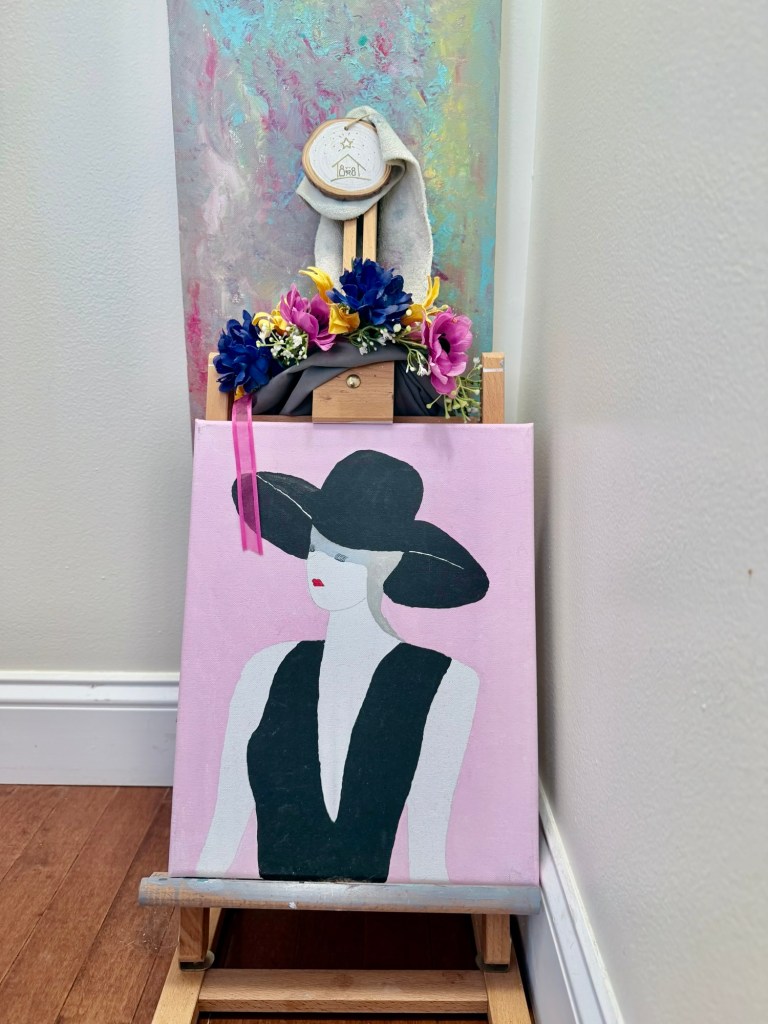
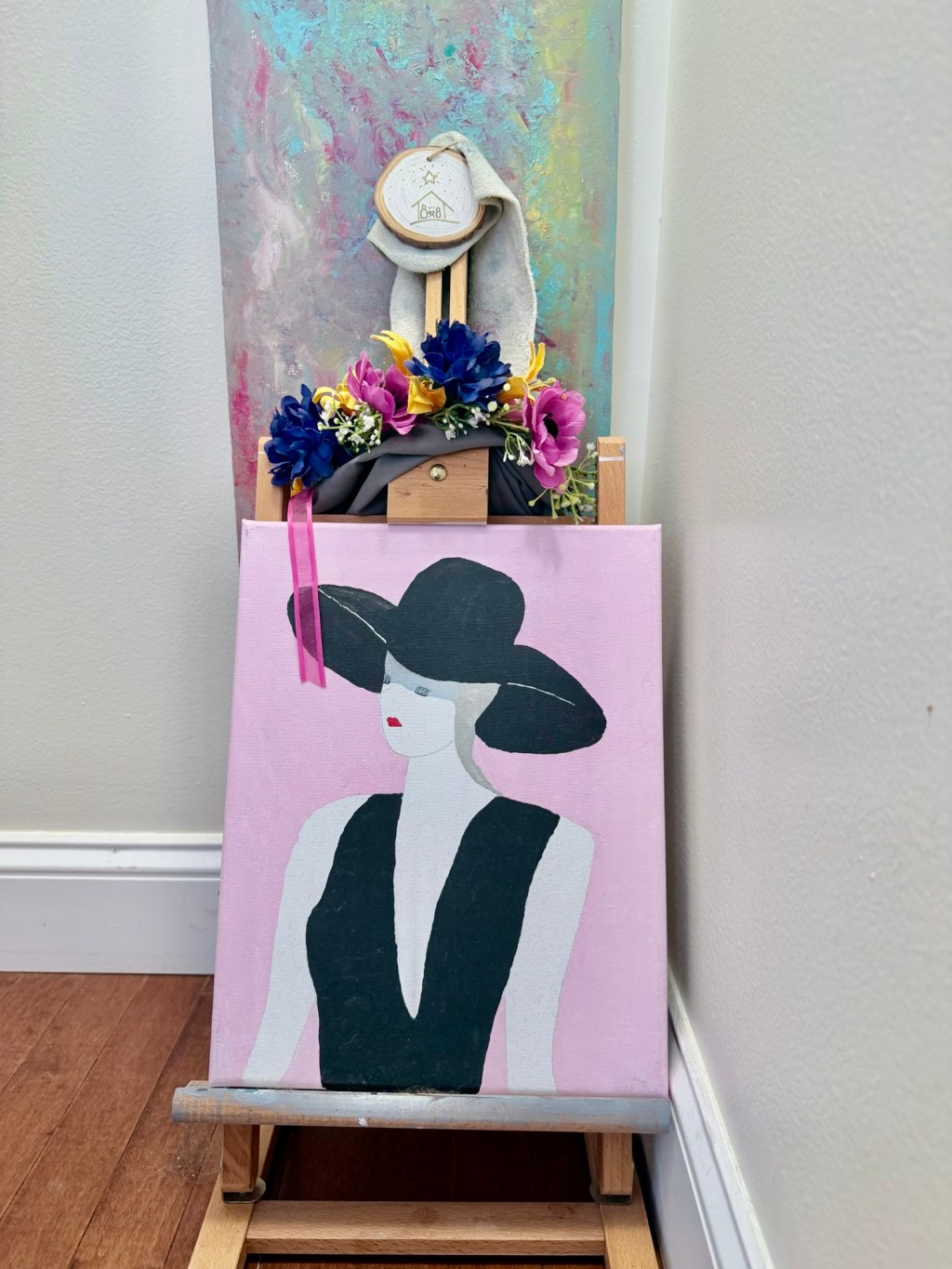
My grandmother left her art supplies to me.
All of them.
Paint, brushes, canvases, paper, unfinished projects, ideas, and possibilities.
Some families inherit furniture.
Some inherit jewelry.
I inherited art.
And among those supplies was an unfinished painting.
A woman in a black dress.
A wide-brimmed hat.
Red lipstick.
Elegant.
Confident.
Unfinished.
As an adult, I think she looks familiar.
Not because she looks like me.
Because she represents something I’ve been trying to understand my entire life.
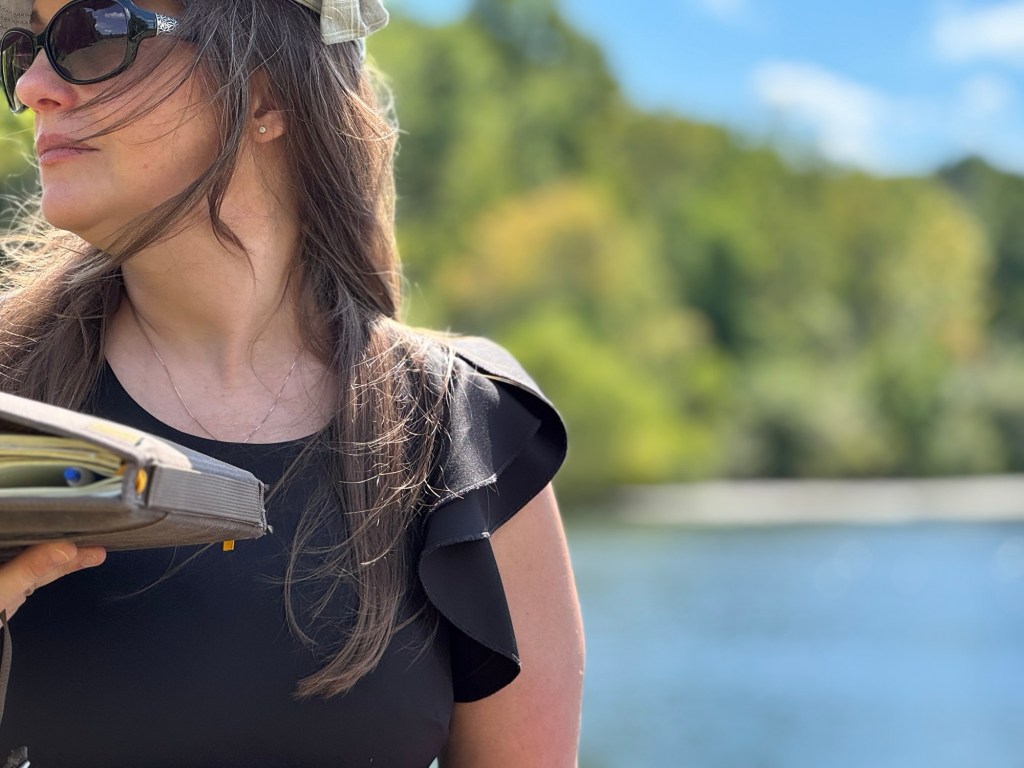
I grew up around construction sites.
My earliest memories include steel-toed boots, hard hats, job trailers, dirt, equipment, and people building things.
Years later, I found myself working in industrial manufacturing.
Not visiting it.
Living it.
I wore the steel toes.
The safety glasses.
The cut-resistant gloves.
The protective equipment.
I learned to navigate production floors, boardrooms, contract negotiations, and machinery worth more than most homes.
And through all of it, I remained unapologetically myself.
I still wanted clean feet.
I still liked beautiful clothes.
I still appreciated elegance.
I still wanted to look good.
Not for anyone else.
For me.
For years, the world seemed determined to force people into categories.
Strong or soft.
Practical or creative.
Industrial or artistic.
Capable or beautiful.
Leader or nurturer.
The strongest people I’ve known never fit neatly inside those categories.
They weren’t performing an identity.
They weren’t trying to prove anything.
They weren’t becoming someone else.
They were becoming more fully themselves.
That’s the space between steel toes and stilettos.
Lately I’ve been thinking about that more than ever.
My children are becoming adults.
My business is evolving.
My body is healing.
Entire chapters of my life are closing while new ones begin.
Time moves in one direction.
And so do I.
The older I get, the less interested I become in titles, positions, status, or hierarchy.
I’ve spent enough time inside systems to know that authority and wisdom are not the same thing.
Leadership and titles are not the same thing.
Visibility and value are not the same thing.
What interests me now are the questions.
The ones that don’t have easy answers.
The ones we ask ourselves when nobody else is listening.
Questions like:
Where am I still shrinking to make someone else comfortable?
What parts of myself am I still apologizing for?
What have I learned that I can no longer pretend not to know?
What am I protecting?
What is worth protecting?
What would happen if I trusted my own observations?
What would happen if I trusted myself?
Every day I practice a simple exercise.
I look around and name five things.
Not just the object.
The adjective too.
A great folding chair.
A sleeping dog.
A pergola shadow stretched across gravel.
Wilting parsley.
Vibrant lavender.
A gentle breeze.
It sounds simple.
Maybe even silly.
But it requires presence.
And my number one rule has always been the same:
You must be present to win.
Steel Toes & Stilettos is an invitation.
Not to agree with me.
To observe yourself.
To ask better questions.
To become more fully who you already are.
I’d love to start this series with a question:
What part of yourself took the longest to accept?
And what finally convinced you to stop apologizing for it?
 Slingshot Designs